


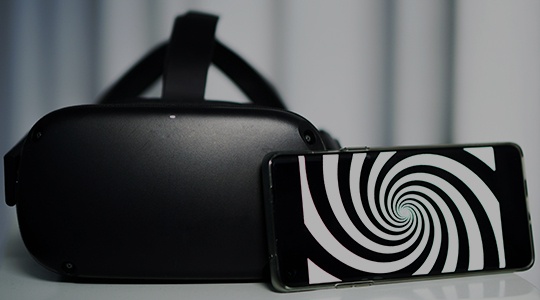
The rapid evolution of mobile virtual reality (VR) technology is reshaping how we experience entertainment, education, and enterprise solutions. As smartphones become more powerful and affordable VR accessories grow more accessible, the potential for innovative applications expands exponentially. Whether you’re an industry professional or a curious enthusiast, understanding the fundamentals and future prospects of mobile VR development is essential. This article explores how mobile VR works, the key trends influencing its growth, the technical considerations for developers, and some standout applications across different sectors. Additionally, you’ll discover how partnering with expert VR developers can help turn your ideas into immersive realities.
How Mobile VR Operates
Virtual reality immerses users into digital environments through visual, auditory, and motion cues, creating a sense of presence in a three-dimensional space. Traditionally associated with high-end headsets connected to powerful computers, VR has transitioned into the mobile realm, leveraging smartphones and lightweight headsets for a more accessible experience.
Mobile VR operates by utilizing the processing power of smartphones combined with dedicated head-mounted displays. Users typically launch a VR app, secure their smartphone within a headset—such as Google Cardboard or more advanced devices—and then immerse themselves in interactive environments. These apps harness smartphone sensors like accelerometers and gyroscopes to track head movements, translating physical actions into the virtual world. Some VR experiences also incorporate hand controllers, which enable more natural interaction, controlled by sensors that monitor the user’s hand gestures and movements.
The appeal of mobile VR lies in its convenience and affordability. Unlike bulky and expensive PC-based VR systems, mobile solutions allow users to enjoy immersive content anywhere, anytime, with minimal setup. For more advanced interaction, VR headsets with integrated controllers and cameras provide a richer experience, suitable for enterprise training or complex simulations.
How Mobile App Development is Transforming the VR Landscape
The proliferation of mobile VR devices is driven by impressive growth in global shipments, which reached approximately 13.48 million units in 2020 and are projected to surpass 112 million units by 2026. This surge reflects increased consumer interest and technological advancements that lower costs and improve performance.
An overwhelming 91% of companies are either already implementing or planning to adopt augmented reality (AR) and VR technologies, recognizing their potential to revolutionize business processes. Mobile VR’s portability and lower hardware requirements make it a game-changer, enabling users to access immersive experiences on the go without hefty investments in high-end equipment.
VR in Entertainment
Entertainment remains the most prominent sector utilizing mobile VR, providing users with novel ways to unwind and escape. The pandemic accelerated this trend, as restrictions limited outdoor activities, prompting many to turn to virtual experiences. From watching 3D movies and exploring virtual museums to attending concerts and engaging in immersive gaming, mobile VR offers a wide array of entertainment options. Its affordability and convenience allow a broader audience to enjoy high-quality virtual content without needing expensive setups.
VR for Customer Engagement and Service
Businesses leverage VR to enhance customer interactions and streamline sales processes. Virtual showrooms, interactive product demonstrations, and virtual tours enable customers to explore offerings remotely. For example, customers can examine a 3D model of a car or preview a property before making a purchase decision. In healthcare, virtual consultations and procedure previews help clients understand treatments better. This approach not only boosts engagement but also reduces the need for physical presence, saving time and resources. Some apps incorporate warehouse management and order processing, further integrating VR into operational workflows. To learn more about optimizing digital marketing strategies, explore ways to enhance your VR experience.
Corporate Training and Education
VR is increasingly adopted for employee training, offering safe, cost-effective, and engaging ways to learn complex skills. Instead of traditional classroom methods, companies develop custom mobile VR applications that simulate real-world scenarios, from machinery operation to emergency response. This interactive approach improves retention and reduces risks associated with hands-on training in hazardous environments. Furthermore, safety protocols and compliance procedures can be taught efficiently, ensuring employees are well-prepared. Educational institutions also utilize VR to create immersive learning environments, which boost student engagement and academic outcomes. For detailed insights, see comprehensive guides on VR training.
Enhancing Remote Communication and Workflow
Remote work has become commonplace, but maintaining effective communication and collaboration remains a challenge. VR applications facilitate virtual meetings, allowing team members to share data, view 3D models, and collaborate in a simulated environment. This technology reduces misunderstandings and fosters a sense of presence, even when physically apart. It also enables real-time data sharing and multi-screen views, improving productivity. These solutions are vital for industries like architecture, engineering, and product design, where visual collaboration is crucial. For more on optimizing remote workflows, check guides on transitioning to mobile VR.
Testing and Prototyping in Virtual Environments
Creating prototypes and testing new products can be costly and time-consuming. VR offers a risk-free, cost-efficient alternative by enabling designers and engineers to build virtual models and simulate real-world conditions. This approach accelerates development cycles, reduces material waste, and enhances safety during testing. Virtual prototyping allows for iterative improvements without the need for physical prototypes, saving resources and speeding time-to-market.
Key Considerations in Mobile VR App Development
As of December 2021, Android holds approximately 70.05% of the global mobile OS market share, while iOS accounts for about 29.21%. However, in regions like the US, the distribution shifts to roughly 40.57% Android and 59.12% iOS, emphasizing the importance of addressing both platforms during development.
Developing for iOS VR Applications
Creating VR apps for iOS involves using Swift, Apple’s native programming language, which facilitates building highly interactive and responsive interfaces. While Swift requires less coding than languages like JavaScript, developers still need proficiency to ensure stability and performance. Additionally, iOS applications must adhere to strict design guidelines and undergo rigorous review processes to be approved for the Apple App Store. Monetization models are often built-in, with many apps being paid or offering in-app purchases, simplifying revenue streams. For insights on cross-platform development, you can explore best practices for porting PC games to Android.
Developing for Android VR
Android development relies on Java and Kotlin, offering flexibility and cross-platform capabilities. Java, despite some limitations, facilitates building applications compatible with various devices and web platforms. Given Android’s fragmentation—numerous device models, screen sizes, and OS versions—developers must design adaptable and scalable interfaces. Monetization strategies typically include in-app purchases and advertising, which suit the platform’s user base.
Comparing Mobile VR Development with Other Headset Types
High-end VR headsets designed for PCs and consoles incorporate advanced sensors, high-resolution displays, and powerful GPUs, enabling richer graphics and more complex mechanics. Developing for these platforms involves creating applications that support hand controllers, motion tracking, and high-fidelity graphics, requiring significant technical expertise and resources. Mobile VR applications, constrained by processing power and storage capacity, often deliver less detailed graphics but benefit from ease of access and broader reach. For more on advanced VR development, see comprehensive guides on transitioning to other VR platforms.
Notable Examples of Mobile VR Applications
Beyond gaming, numerous mobile VR apps demonstrate its versatility and value across industries:
- Google Cardboard App: An accessible platform offering diverse experiences such as virtual tours, concerts, and interactive entertainment, all compatible with affordable headsets.
- Hand Rehabilitation VR Training: Assists patients in recovering motor functions through guided exercises with virtual instructors, using precise hand sensors to track progress and motivate continued therapy.
- Aircraft Engine VR Training: Provides engineers with immersive tutorials on engine assembly and disassembly, enhancing safety and reducing the need for physical equipment.
- VR Hotel: Enables virtual walkthroughs of hotel interiors, aiding architects, designers, and clients in visualizing spaces before construction begins.
- VR Store: Retailers like Magrabi VR Store allow customers to explore products interactively, try virtual fittings, and place orders remotely, significantly increasing engagement.
Entrusting VR App Creation to Skilled Professionals
Developing a custom VR application demands expertise and experience. Partnering with a seasoned VR development company ensures your project benefits from advanced technical skills and industry insights. Companies like Program-Ace, recognized as a top VR solutions provider, have successfully delivered numerous projects, including those mentioned above. Their team of dedicated specialists can help translate your ideas into compelling virtual experiences that meet your business objectives. When ready to elevate your enterprise with immersive technology, consider collaborating with professionals who understand the nuances of mobile VR development.
—
Note: For further information on optimizing your mobile VR experience, see guides on integrating VR into your digital strategy and tips for successful app porting.