


Understanding how to properly configure a Virtual Private Network (VPN) on your Android device is essential in today’s digital landscape. With increasing concerns over online privacy, security, and access restrictions, knowing how to set up a VPN can protect your personal data, secure your internet connection, and grant access to restricted content. This comprehensive guide walks you through the most reliable methods for establishing a VPN connection on your Android device, ensuring your online activities remain private and protected.
Most users rely heavily on their smartphones for daily tasks—browsing, shopping, communicating, and managing sensitive information. However, these devices can also be vulnerable to surveillance, data theft, and cyberattacks. A high-quality VPN acts as a shield, encrypting your internet traffic and masking your IP address, thereby safeguarding your privacy. The good news is, setting up a VPN on Android is straightforward and doesn’t require advanced technical skills. Whether you prefer installing an app or manually configuring settings, this guide covers all options to help you browse securely.
We’ve tested leading VPN services such as NordVPN on Android, connecting to servers across the globe to evaluate performance and security features. For those interested in alternative devices, you might also want to explore how to locate game files on MacOS for crossover users, which enhances your understanding of managing gaming setups across platforms. Additionally, mastering mobile game recording can help you capture your best moments on Android, making your experience more enjoyable and shareable. If you need to transfer or organize your installed games more efficiently, seamlessly moving installed games between Steam library folders can be invaluable. Before making any purchases, always consider evaluating the safety of buying games on Steam to ensure your transactions are secure.
Choosing a Reliable VPN for Android
While countless free VPNs are available on the Google Play Store, many of these options fall short in providing true privacy and security. Several free services collect and sell user data, suffer from security vulnerabilities, or lack adequate speed. Selecting a trustworthy VPN is crucial; the top-rated options include:
- NordVPN – Recognized for its robust security features and strict no-logs policy, rated 9.7/10 on SecurityScore.
- Surfshark VPN – Offers excellent privacy protections and fast speeds, with a score of 9.5/10.
- Private Internet Access – Known for its extensive server network and transparency, rated 9.4/10.
Choosing a dependable VPN service ensures your data remains encrypted, your connection is stable, and your online activities stay private. Be cautious of VPNs that are flagged by research organizations such as the Commonwealth Scientific and Industrial Research Organisation, which advises avoiding certain low-quality, ad-supported, or untrustworthy apps.
How to Set Up a VPN on Android
There are multiple methods to configure a VPN on your Android device, ranging from simple app installations to manual configurations. The most straightforward approach involves using a trusted VPN application:
Using a VPN Application
- Download a reputable VPN app from the Google Play Store, such as NordVPN or Surfshark.
- Open the app and sign up or log in.
- Select a server location suited to your needs.
- Tap the “Connect” button to establish the VPN connection.
This method is user-friendly and typically offers features like kill switches, auto-connect, and split tunneling, which enhance your browsing security. For more detailed instructions, you can refer to official guides like Google’s support page on connecting to VPNs on Android.
Manual VPN Configuration
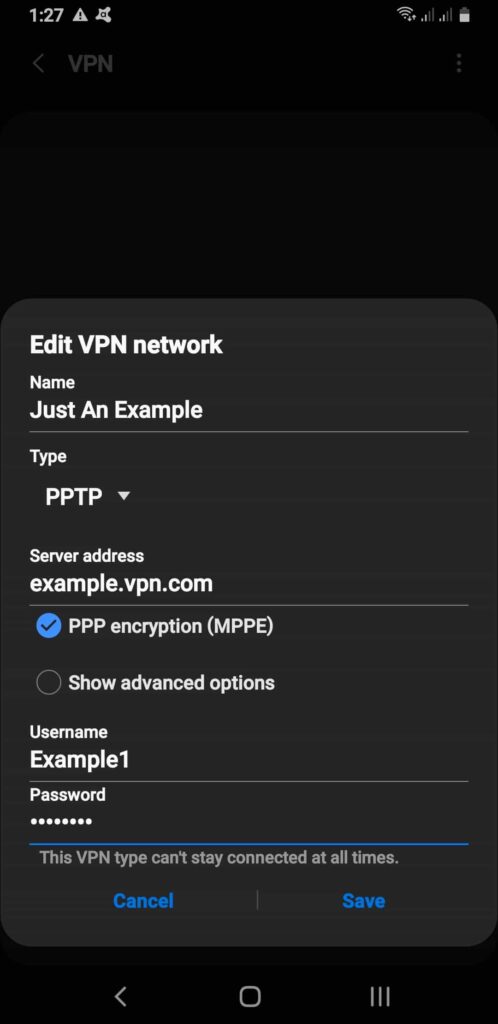
Android devices come with built-in VPN clients supporting protocols such as PTPP, L2TP, and IPsec. To manually set up a VPN:
- Navigate to Settings > Network & Internet > Advanced > VPN.
- Tap the plus sign or “Add VPN.”
- Enter the VPN configuration details provided by your VPN provider or network administrator.
- Save the profile and connect when needed.
This approach requires Android version 4.0 or later and is suitable if you prefer manual control or wish to connect to custom VPN servers. However, it may lack some advanced features found in dedicated VPN apps. For detailed instructions, consult your VPN provider’s documentation or the Google support page.
Using OpenVPN
Open-source VPN solutions like OpenVPN offer enhanced security and flexibility. Since Android doesn’t natively support OpenVPN servers, you need to use third-party apps such as OpenVPN Connect:
- Download and install the OpenVPN Connect app.
- Obtain configuration files from your VPN provider.
- Import the configuration into the app.
- Tap to connect securely to your chosen server.
This method is ideal for tech-savvy users seeking customizable options, but it requires additional setup steps.
Connecting and Disconnecting from a VPN on Android
Once your VPN profile is established, connecting is simple:
- Open your VPN app and select your preferred server.
- Tap “Connect” to activate the VPN.
Alternatively, you can connect via Android’s settings:
- Go to Settings > Network & Internet > VPN.
- Select your configured VPN profile.
- Enter your credentials if prompted.
- Tap “Connect.”
To disconnect, simply tap the disconnect button in your VPN app or toggle off the connection in the Android settings. Managing your VPN connection effectively helps maintain security and conserve battery life.
Customizing VPN Settings for Optimal Security
Android allows you to modify VPN settings for convenience and enhanced security:
- Enable “Always-On VPN” to ensure your device remains protected even after restarts.
- Configure notifications to alert you when the VPN disconnects unexpectedly.
- Set up work profiles or split tunneling if your organization supports these features, allowing you to restrict VPN use to specific apps or networks. For detailed procedures, see Google’s support documentation.
These options offer greater control over your VPN experience, ensuring your online activity remains private and secure.
Why a VPN Is Essential for Android Users
Using a VPN on your Android device is critical for multiple reasons:
- Enhanced Privacy: Encrypts your browsing activity and masks your IP address, preventing ISPs and third parties from monitoring your online behavior.
- Protection on Public Wi-Fi: Secures your connection on insecure networks, reducing the risk of hacking or data interception.
- Access to Restricted Content: Circumvent censorship and geo-blocks imposed by governments, workplaces, or streaming services. For example, streaming platforms like Netflix often restrict content based on location, but a VPN can help you access global libraries—learn how to improve your streaming experience.
- Secure VoIP Calls: Protect private conversations over internet calling services.
- Torrent Anonymity: Safeguard your identity while torrenting, but always remember that downloading copyrighted material without proper authorization is illegal.
- Bypass Restrictions: Access websites and services blocked in certain regions, helping you surf freely in countries with internet censorship, such as China or Russia.
How to Choose the Best VPN for Android
Not all VPNs are created equal. Some may compromise your privacy or even introduce malware. Prioritize VPNs that:
- Are based outside of surveillance alliances like the Five, Nine, or 14 Eyes.
- Have a strict no-logs policy and use robust encryption standards like AES-256.
- Offer features such as dynamic IP addresses, kill switches, split tunneling, and compatibility with streaming and torrenting.
- Have high ratings (preferably four stars or higher) on the Google Play Store.
- Cost around $5–$10 per month, with options for longer-term discounts. Avoid free VPNs that often monetize user data or impose bandwidth caps. If you want to explore options risk-free, look for services offering free trials.
Always review user feedback and independent security assessments before selecting a VPN.
Final Tips and Recap
Configuring a VPN on Android is quick and straightforward, especially with dedicated apps. Once set up, your online presence becomes significantly more secure, private, and unrestricted. Remember to keep your VPN app updated, choose strong passwords, and review your privacy settings periodically.
For more in-depth information, you can explore topics like how to evaluate the safety of purchasing games on Steam, ensuring your digital transactions are secure. Staying informed about your privacy tools empowers you to browse confidently and safely.
Frequently Asked Questions
- Does Android have a built-in VPN? Yes, Android includes a native VPN client supporting protocols such as PTPP, L2TP, and IPsec, but it often requires manual configuration and doesn’t offer the advanced features of dedicated apps.
- Are there free VPN options for Android? Yes, options like ProtonVPN, Windscribe, and Hotspot Shield provide free versions, but they may have limitations or privacy concerns.
- How can I manually set up a VPN on a Samsung device? You can configure it through Settings > Connections > VPN, entering the necessary server details, or by installing a trusted app from the Play Store.
By following these steps and choosing trustworthy providers, you can enjoy a safer, more private Android experience—whether for browsing, streaming, or working remotely.